
If you’re a homeowner in Somerset County wondering about siding alternatives for houses, you’re not alone. Many New Jersey residents reach a point where they want to refresh the look of their home, improve energy efficiency, or simply replace aging exterior materials, but aren’t sure which direction to take.
This guide walks you through the most common types of home exterior siding, explains what each option offers, and helps you think through what might work best for your specific situation.
Why Siding Choice Matters More Than You Think
Siding is more than just curb appeal. It protects your home from the elements, helps regulate indoor temperatures, and can even affect long-term maintenance costs. In a region like Somerset County, where winters can be harsh and summers bring humidity, the right siding material makes a practical difference, not just a visual one.
That’s why it’s worth taking time to understand your options before committing to one.
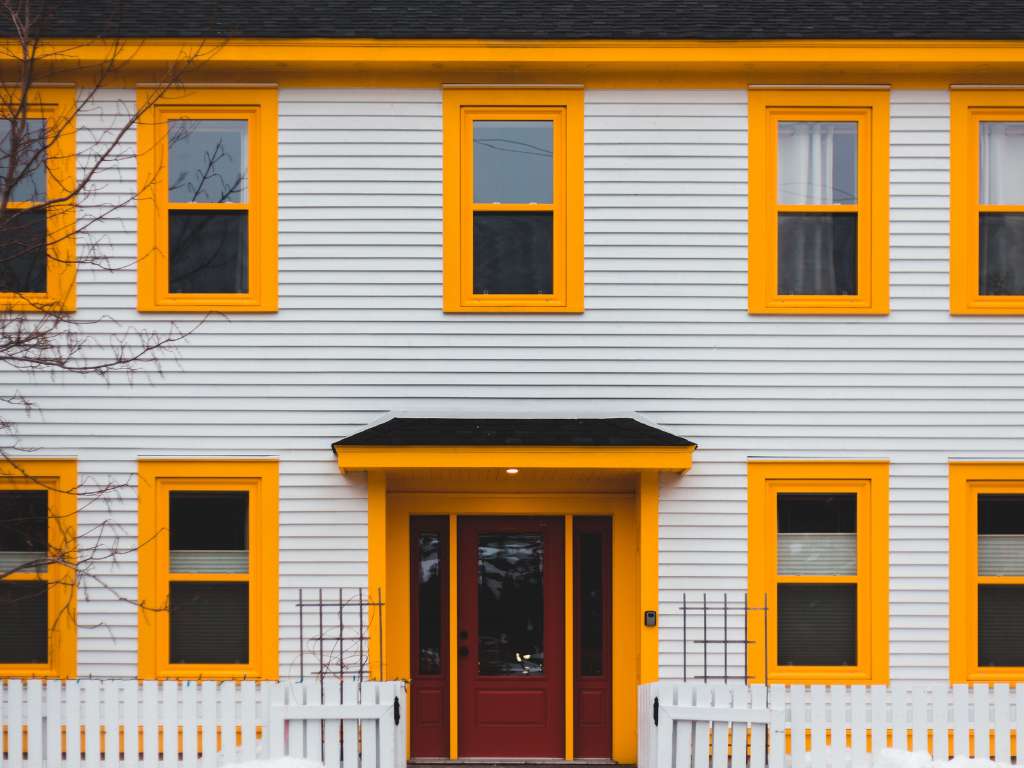
Common Types of Home Exterior Siding
Vinyl Siding
Vinyl remains one of the most widely used siding materials in New Jersey, and for good reason. It’s durable, low-maintenance, and comes in a wide range of colors and profiles. It doesn’t rot or rust, and modern vinyl holds up well against wind and moisture.
One thing homeowners often ask is: what is the house siding texture called when it mimics wood? In vinyl, this is often referred to as a wood-grain texture or embossed finish, designed to give the appearance of real wood without the upkeep.
Fiber Cement Siding
Fiber cement is made from a blend of cement, sand, and cellulose fibers. It closely resembles wood or masonry but offers far greater resistance to fire, insects, and moisture. It’s one of the most durable options available and holds paint well over time.
It does require professional installation due to its weight and cutting requirements, but once in place, it’s one of the most reliable choices for New Jersey’s varied climate.
Engineered Wood Siding
Engineered wood is manufactured from wood fibers and resins, giving it the appearance of natural wood with improved resistance to moisture and insects. Many homeowners choose it as a middle ground, it offers a more natural aesthetic than vinyl while being more economical than solid wood or fiber cement.
Natural Wood Siding
Cedar, pine, and other wood sidings offer authentic character and warmth. However, they require regular painting or staining to prevent moisture damage and decay. In a climate like Somerset County’s, wood siding is beautiful but demands consistent upkeep.
Stucco
Stucco is a plaster-based coating applied in layers over a mesh or wire base. It’s popular for its seamless, textured finish and works particularly well on certain architectural styles. It’s breathable, fire-resistant, and long-lasting when properly installed and maintained.
Metal Siding (Aluminum or Steel)
Metal siding has grown in popularity, especially in modern or industrial-style home designs. It’s extremely durable, fire-resistant, and low-maintenance. Aluminum won’t rust, while steel provides added strength. Both are considered among the more economical siding options over the long term due to their lifespan.
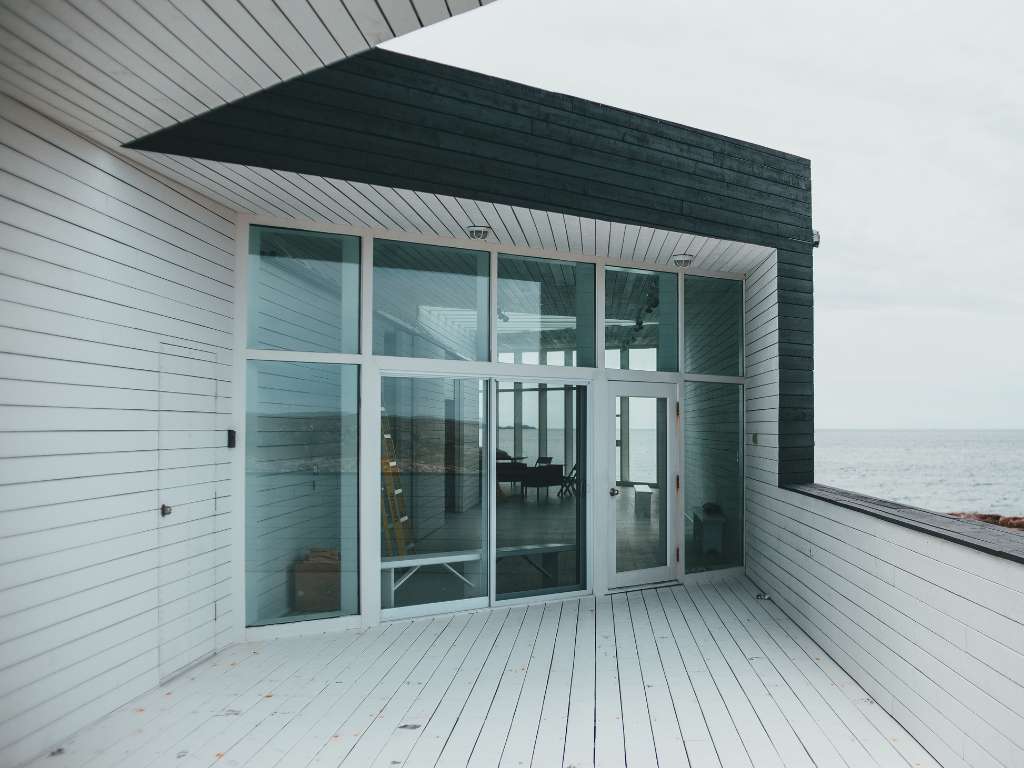
Most Cost Effective Siding: What to Consider
When evaluating cost, it helps to look beyond the upfront price. The most cost effective siding option isn’t always the cheapest to install, it’s the one that balances installation costs, lifespan, and ongoing maintenance.
Here are a few things to weigh:
- Installation complexity, some materials require specialized labor, which affects the overall project cost.
- Lifespan, a more expensive material that lasts 50 years may cost less over time than a cheaper option that needs replacing after 20.
- Maintenance requirements, materials that need regular painting, sealing, or repairs add to the total cost of ownership.
- Energy efficiency, insulated siding products can reduce heating and cooling costs, offering savings over time.
Vinyl and metal siding tend to rank high for long-term value, while fiber cement strikes a balance between durability and mid-range cost.
Why This Decision Can Feel Overwhelming
Choosing siding isn’t always straightforward. The variety of materials, styles, and finishes available, combined with the fact that this is a long-term investment, makes it easy to feel uncertain about where to start.
Climate plays a role. So does your home’s architecture. Your neighborhood’s aesthetic, HOA guidelines (if applicable), and your own maintenance preferences all factor in. And because every home is different, what worked well for a neighbor’s house may not be the right fit for yours.
The good news is that with the right information and a knowledgeable contractor, these decisions become much clearer. It’s not about finding a single “best” material, it’s about finding the best material for your home, your goals, and your situation.
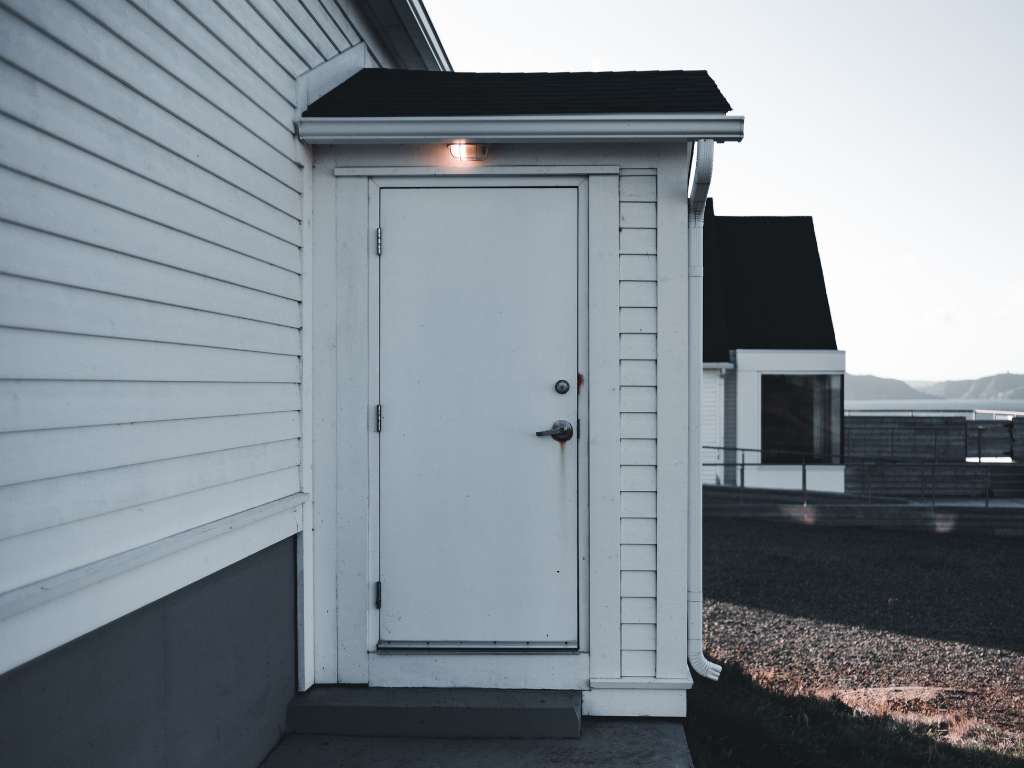
Key Takeaways
There are solid siding alternatives for houses across every budget and style preference. Whether you’re drawn to the low maintenance of vinyl, the durability of fiber cement, or the natural look of engineered wood, Somerset County homeowners have plenty of strong options to consider.
Before making a final decision, it helps to assess your home’s current condition, your climate exposure, and how much ongoing maintenance you’re comfortable with. If you’re unsure which direction to go, speaking with a local remodeling professional who understands the region’s specific conditions can make the process significantly smoother.
Ready to Explore Your Options?
If you’d like to learn more about exterior siding choices for your Somerset County home, Homeland Remodeling Group is available to help. With over 20 years of experience serving Bergen, Essex, Morris, Monmouth, Union, Somerset, and Middlesex counties, our team is happy to answer your questions and walk you through your options.
Frequently Asked Questions
1. What is the most durable siding for New Jersey weather?
Fiber cement and metal siding are among the most durable choices for New Jersey’s climate, offering strong resistance to moisture, temperature swings, and pests. Vinyl is also a reliable option when properly installed.
2. What is the house siding texture called when it looks like wood?
This is commonly referred to as a wood-grain or embossed texture finish. It’s available in vinyl, engineered wood, and some fiber cement products, giving the appearance of natural wood without the same maintenance demands.
3. Are there economical siding options that still look good?
Yes. Vinyl siding offers a wide range of styles and colors at a relatively accessible price point. Engineered wood is another option that provides a more natural aesthetic while remaining more affordable than solid wood or premium fiber cement.
4. How do I know which siding is right for my home?
The right siding depends on your home’s architecture, your budget, how much maintenance you’re willing to take on, and local climate conditions. Consulting with a licensed remodeling contractor who works in your area is a practical first step.