
An unfinished basement can feel like wasted space. Many homeowners in Morris County look at that lower level and wonder what it could become: a family room, home office, guest suite, or gym. If you’re researching how to finish a basement, the process may seem overwhelming at first.
This guide will walk you through the practical steps, common challenges, and important considerations so you can move forward with clarity and confidence.
Start with Moisture and Structural Readiness
Before making design decisions, ensure your basement is dry and structurally sound. New Jersey basements often deal with humidity and seasonal moisture changes.
Begin by:
- Checking for foundation cracks
- Testing walls and floors for moisture
- Confirming proper drainage and sump pump performance
- Improving ventilation if needed
Finishing a basement without addressing moisture first can lead to mold, damaged materials, and expensive repairs later.
Framing and Insulation: Building the Foundation of Comfort
Once the space is dry, framing and insulation come next. This stage defines the layout and ensures year-round comfort.
If you’re learning how to finish a basement wall, focus on moisture-resistant materials. Walls should not trap dampness against concrete. Using proper vapor barriers and insulation techniques helps maintain energy efficiency and prevent long-term issues.
Well-planned framing also creates space for electrical wiring, plumbing lines, and future accessibility.
Lighting and Electrical Planning
Basements typically lack natural light, so thoughtful lighting design is essential.
A balanced approach often includes:
- Recessed ceiling lighting
- Wall sconces for warmth
- Task lighting in work or study areas
Careful electrical planning during framing prevents costly changes later.
Choosing the Right Ceiling Finish
Another frequent question homeowners ask is about how to finish a basement ceiling. The right approach depends on ceiling height, access to utilities, and the overall look you want to achieve. Drywall creates a smooth, finished appearance that closely matches the rest of the home, while drop ceilings allow easier access to plumbing and wiring if maintenance is ever needed. Some homeowners prefer an exposed ceiling painted in a neutral tone for a modern, open feel. Each option offers different practical advantages, so the best choice balances function, maintenance access, and visual appeal.
Flooring That Handles Basement Conditions
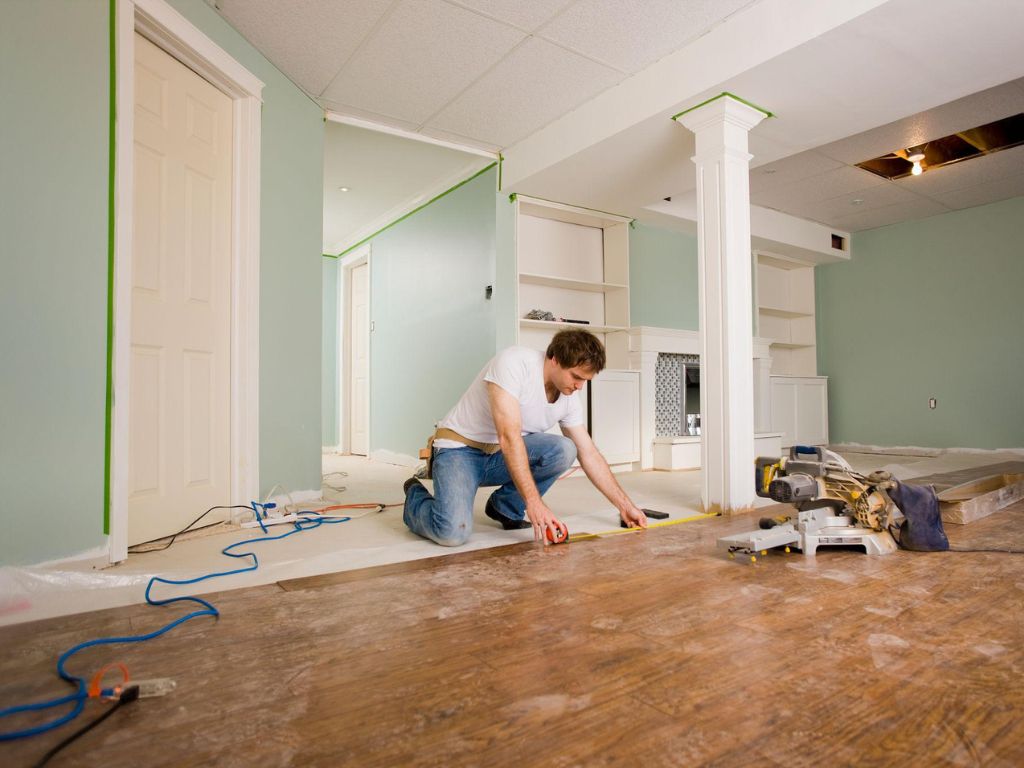
Flooring selection plays a significant role in both comfort and durability. Because basements sit below grade, they are more susceptible to moisture than upper levels of the home. Traditional hardwood is generally not recommended in these environments. Instead, many homeowners choose materials such as luxury vinyl plank, engineered flooring, tile, or basement-rated carpet tiles. These options are designed to withstand humidity fluctuations while still creating a warm and inviting atmosphere. Selecting moisture-resistant flooring helps protect your investment over time.
Understanding Cost and Long-Term Value
Two questions often come up during planning: how much should it cost to finish a basement, and how much does a finished basement add to home value?
Costs vary based on size, layout changes, materials, and whether plumbing or structural modifications are required. Custom features and bathroom additions typically increase the overall investment.
As for value, a finished basement can improve market appeal by increasing usable square footage. In many New Jersey neighborhoods, functional lower-level living space makes a home more competitive. However, the return depends on design quality and how well the finished space matches neighborhood standards.
Why Basement Projects Require Careful Planning
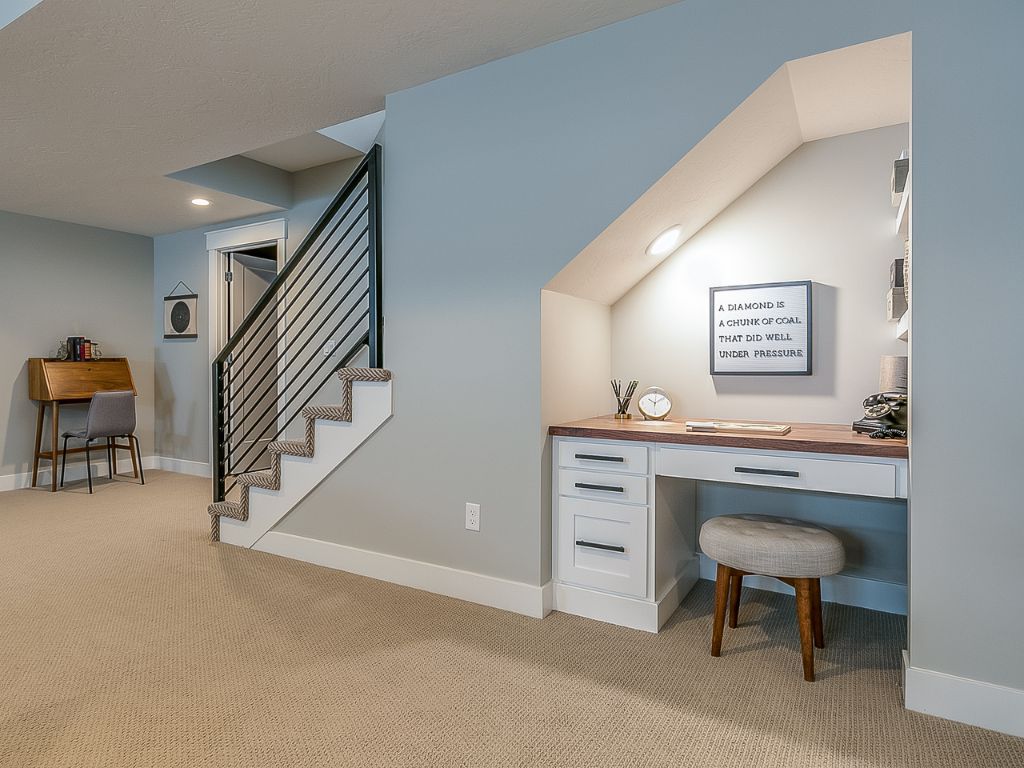
Basements differ from upper floors in several important ways. They require thoughtful moisture control, careful adherence to building codes, and attention to ceiling height and emergency egress requirements if bedrooms are included. In Morris County, permits and inspections are typically necessary for electrical, plumbing, and structural updates. Overlooking these factors can create complications during resale or future renovations. Because basements begin as unfinished utility spaces, transforming them into comfortable living areas demands careful sequencing and technical awareness to ensure long-term safety and performance.
Final Thoughts
Learning how to finish a basement involves more than adding drywall and flooring. It requires moisture control, structural awareness, thoughtful lighting, and material choices suited for below-grade environments.
When approached carefully, a finished basement can become one of the most functional and valuable areas of your home.
If you’d like to learn more or explore support options, Homeland Remodeling Group is available to help.
Quick FAQ
- Do I need a permit to finish a basement in Morris County?
In most cases, yes. Electrical, plumbing, and structural changes typically require permits and inspections. - Can I finish a basement if it occasionally feels damp?
Moisture issues should be resolved before finishing. Waterproofing and ventilation improvements are often necessary first. - Is a drop ceiling better than drywall in a basement?
Drop ceilings offer easier access to utilities, while drywall provides a more seamless appearance. - Does finishing a basement increase usable living space?
Yes. A properly designed finished basement can significantly expand functional square footage within your home.